ORION 2026
From Fast Jets to Rotor Wash
Following the Air Component of France's Largest Military Exercise
Military aviation is often viewed through the lens of the aircraft themselves—fighters screaming off the runway, helicopters hovering over dusty landing zones, crews preparing for another sortie. Yet behind every flight lies a far larger story of doctrine, logistics, training and operational readiness.
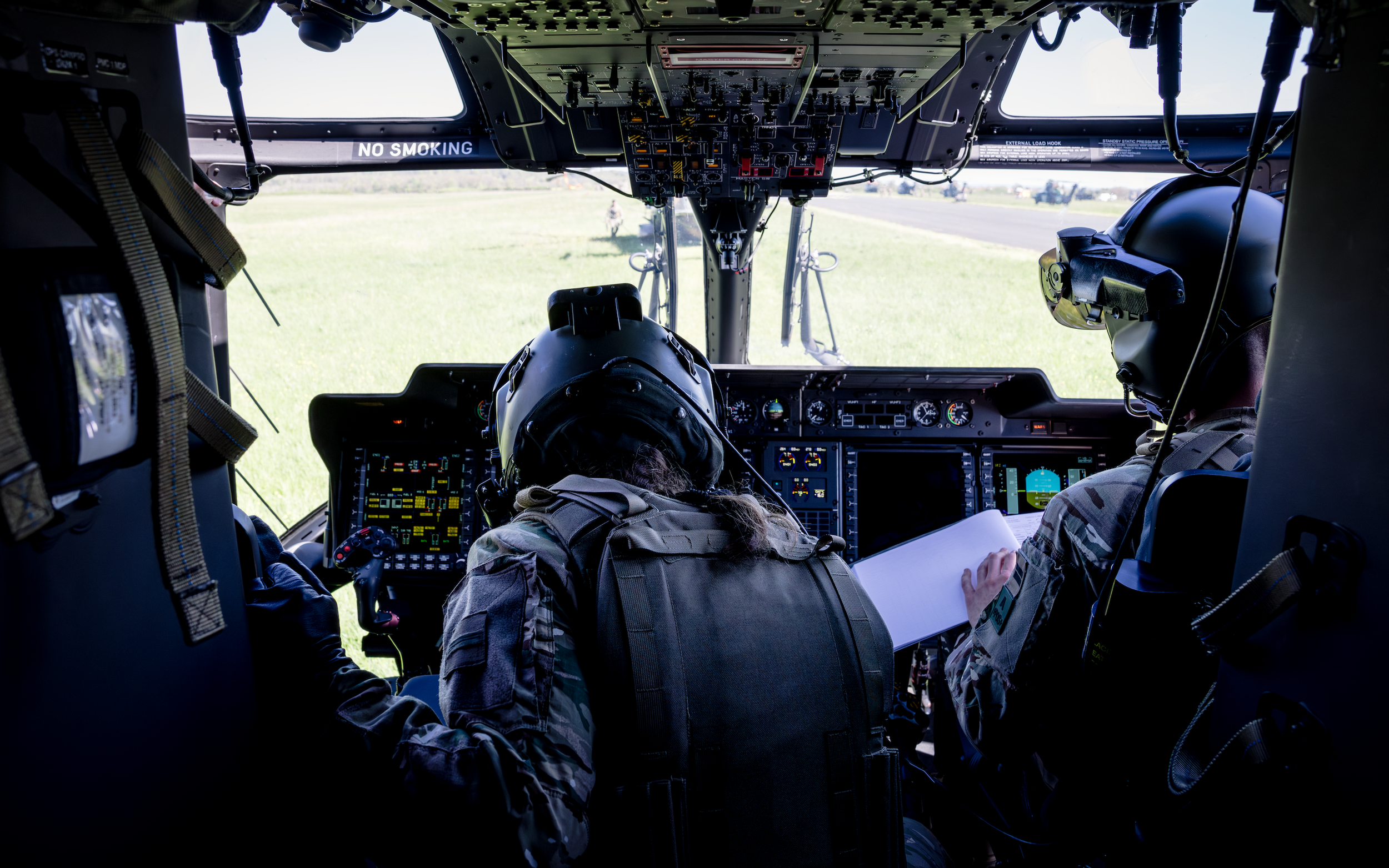
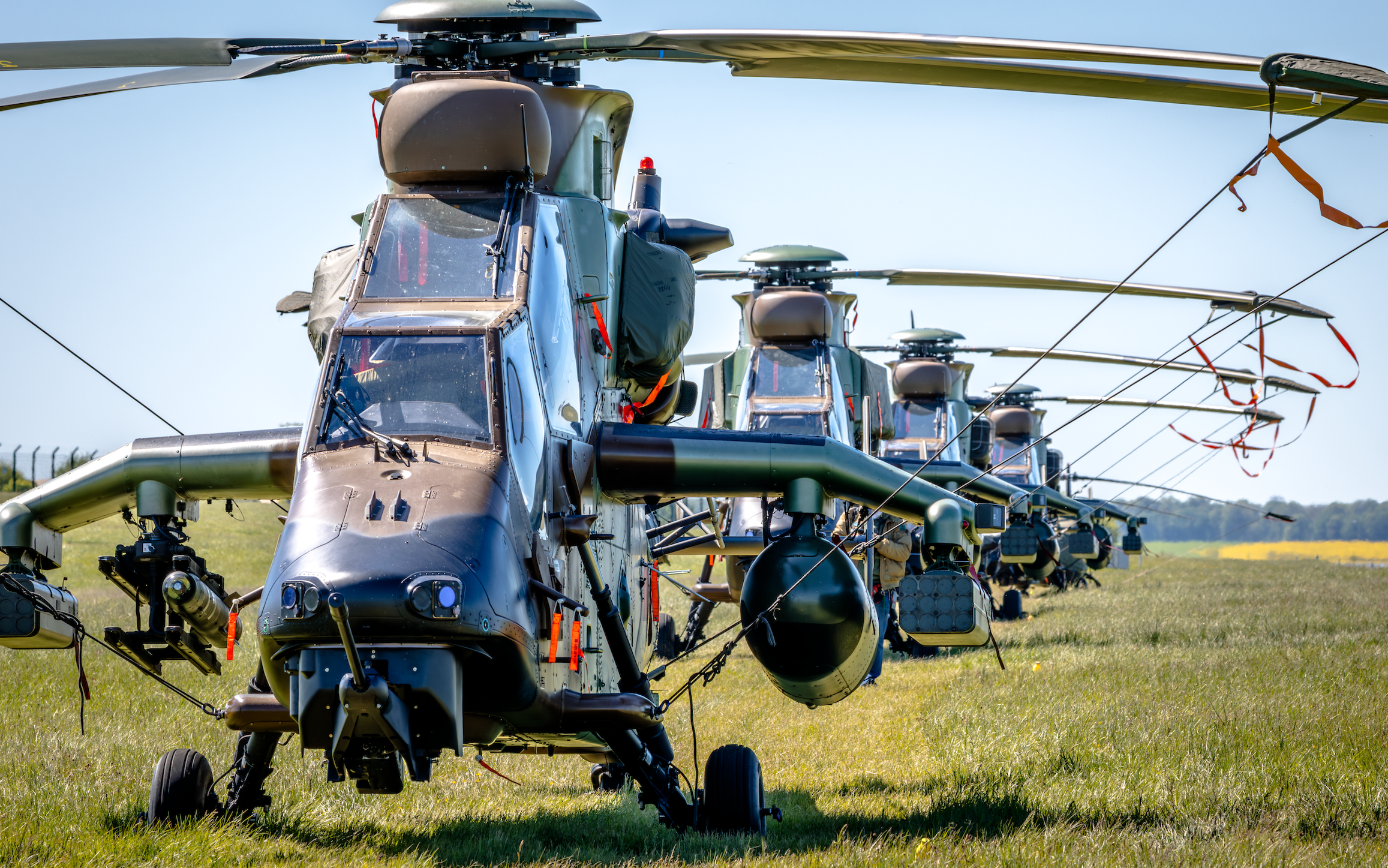
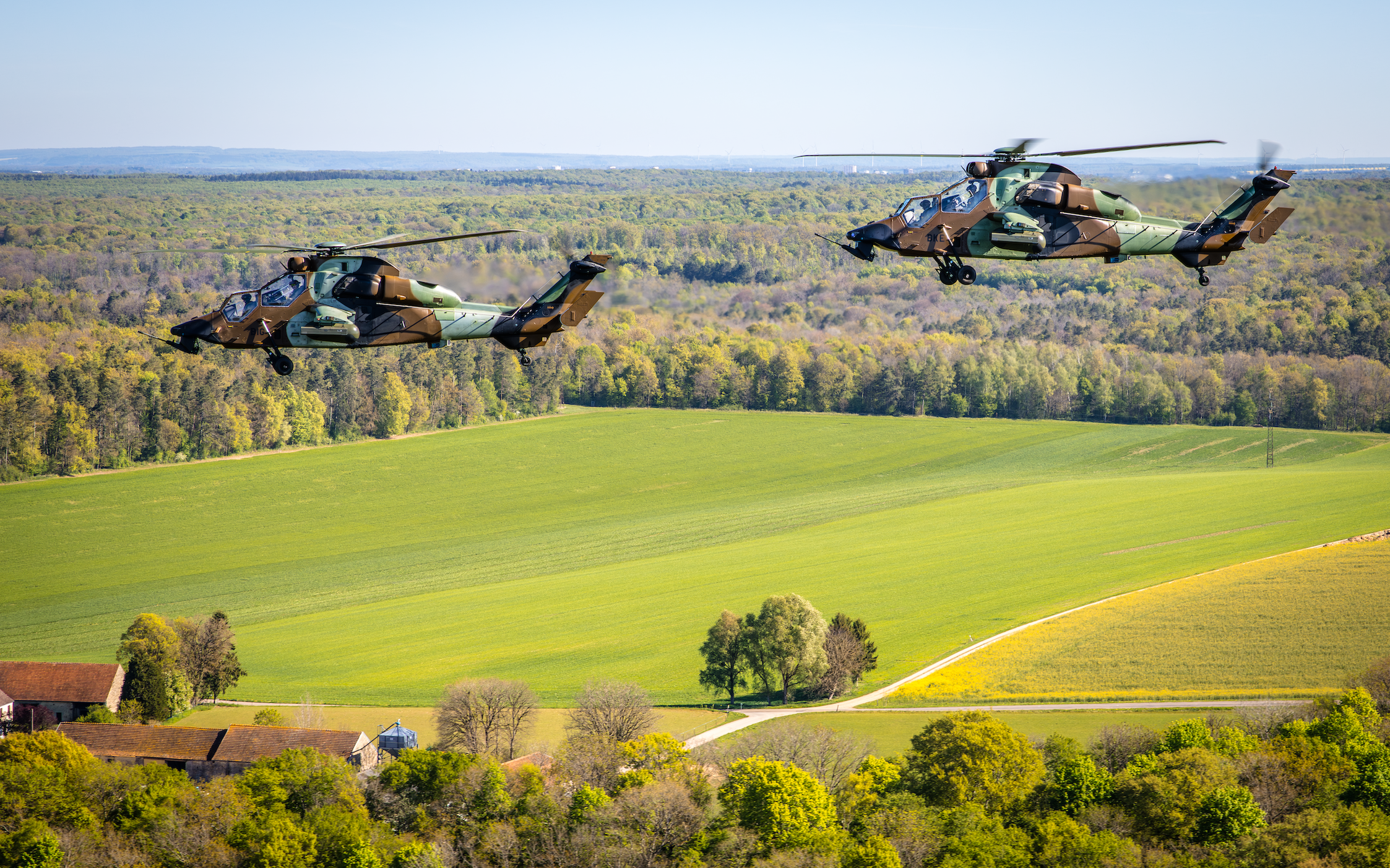
During 2026, I had the opportunity to attend two events linked to Exercise ORION, the French Armed Forces' premier high-intensity, multi-domain exercise. The first took place in February at Base Aérienne 118 Mont-de-Marsan, where I photographed fighter aircraft launching in support of exercise operations. The second occurred in April during ORION Phase O4 at Chaumont, where I witnessed rotary-wing operations up close and embarked aboard an NH90 Caïman helicopter.
Taken together, these visits provided a unique perspective on how fixed-wing and rotary-wing aviation contribute to modern joint-force operations and demonstrated why ORION has become one of Europe's most significant military training events.
Understanding ORION
Exercise ORION (Opération de Résilience, d'Intervention et d'Orientation de la Nation) was created to prepare French and allied forces for the realities of modern high-intensity warfare.
Unlike traditional exercises centred on a single military branch, ORION integrates air, land, maritime, cyber, space and information domains into a single operational framework. Thousands of personnel participate across multiple locations, testing command structures, interoperability, logistics networks and operational doctrine under realistic conditions.
The exercise seeks to replicate the challenges posed by a technologically capable adversary, forcing commanders and units to operate in contested environments while maintaining operational tempo.
For aviation units, ORION offers an opportunity to validate everything from air superiority and strike operations to tactical mobility, reconnaissance and battlefield sustainment.
The two media events I attended highlighted two very different but equally important aspects of that mission.
ORION O2: Fighter Operations at Mont-de-Marsan
Located in southwestern France, Base Aérienne 118 Mont-de-Marsan occupies a central place within the French Air and Space Force.
The base serves as a major centre for fighter operations, operational testing and advanced tactical training. During ORION, it becomes an important platform for generating combat air power and supporting the exercise's air component.
Upon arrival, the pace of activity was immediately apparent. Ground crews moved between aircraft performing inspections and preparing jets for departure while aircrew and mission planners finalised their sortie requirements.
For an aviation photographer, it was an opportunity to witness operational aircraft in their natural environment—far removed from the static displays and choreographed demonstrations of the airshow circuit.
Rafale and Mirage: Two Generations of Combat Aviation
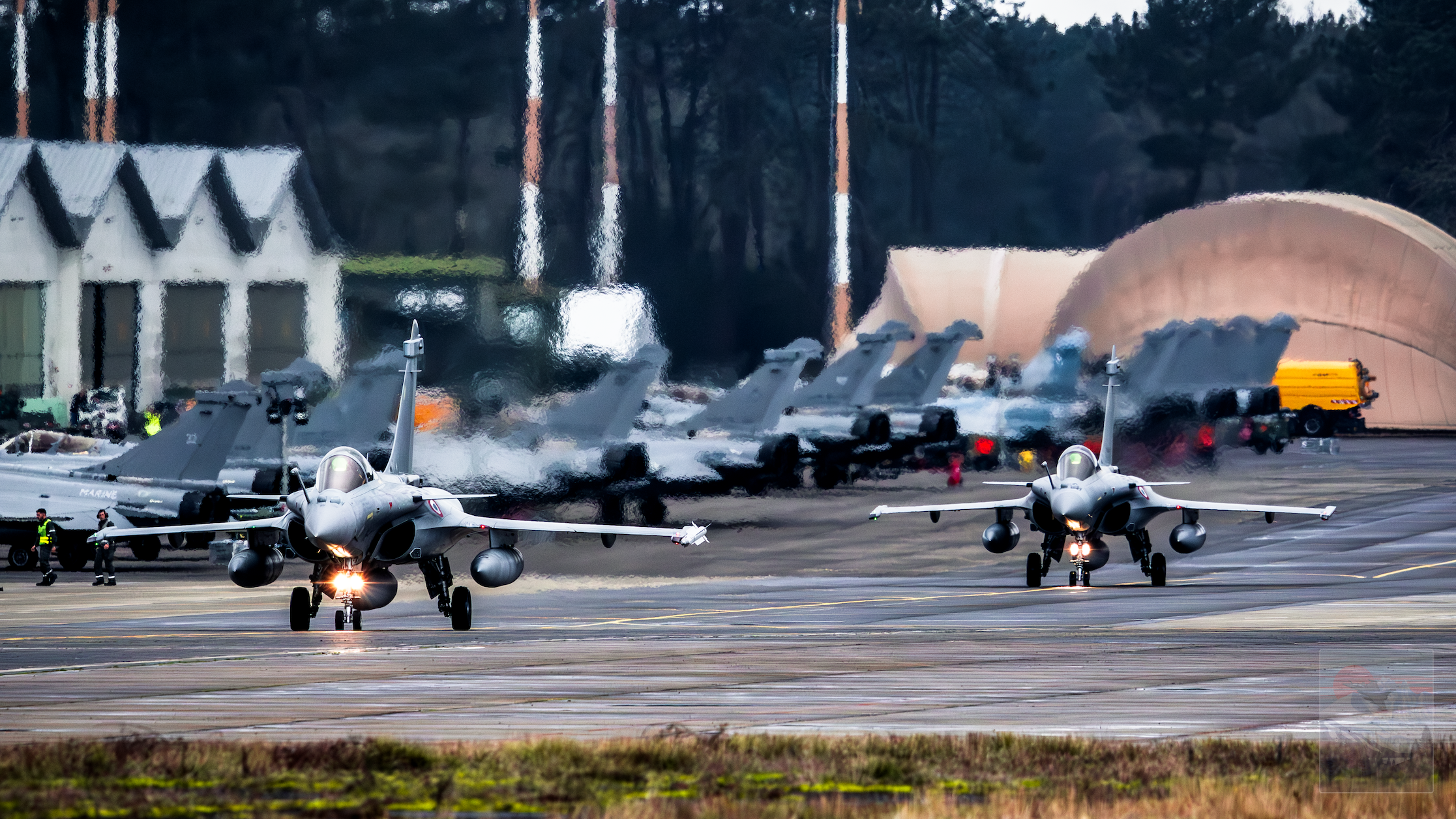
One of the most fascinating aspects of the visit was the opportunity to observe both Rafale and Mirage fighters participating in exercise operations.
Although separated by decades of technological evolution, both aircraft continue to play important roles within French military aviation.
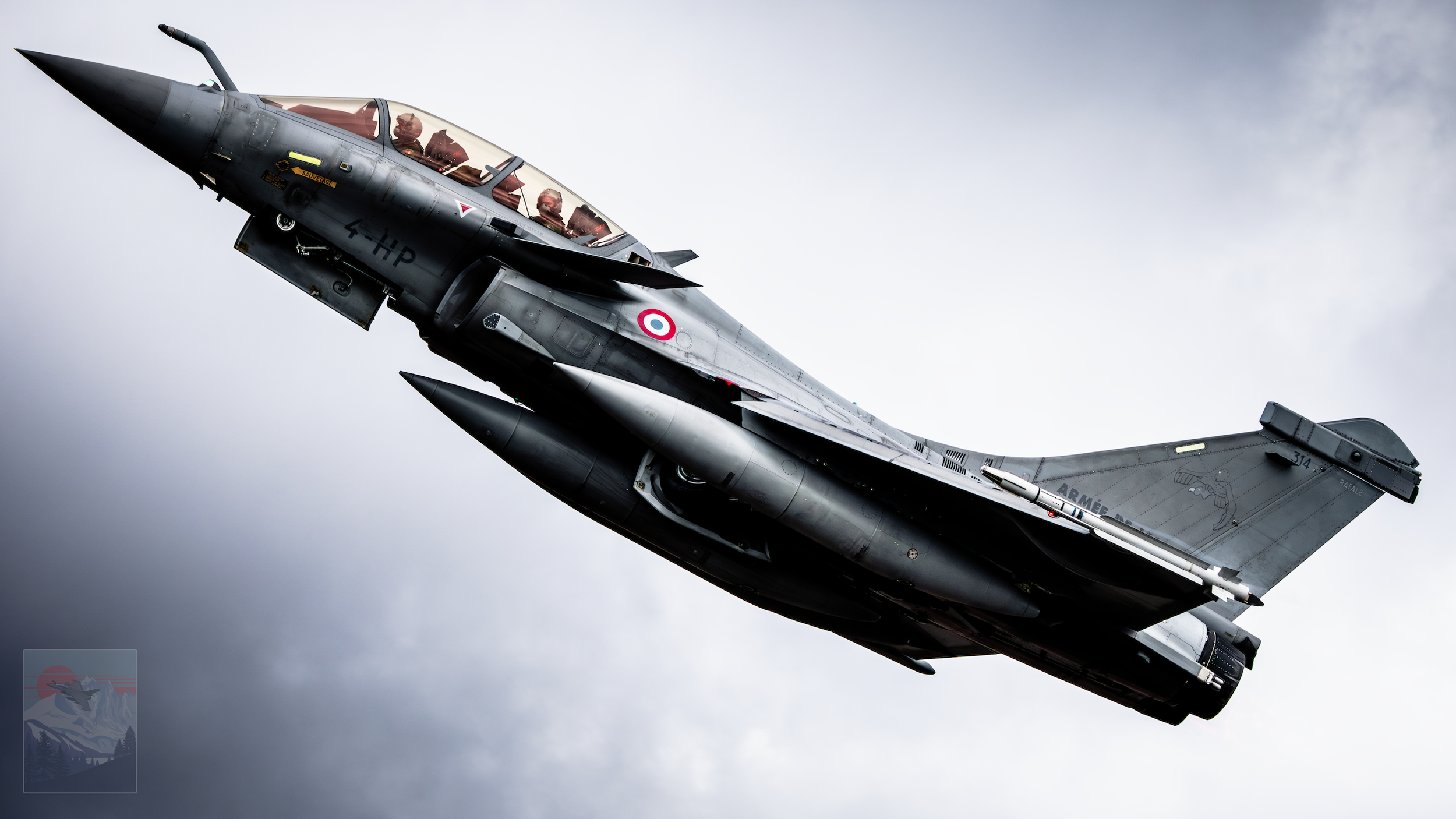
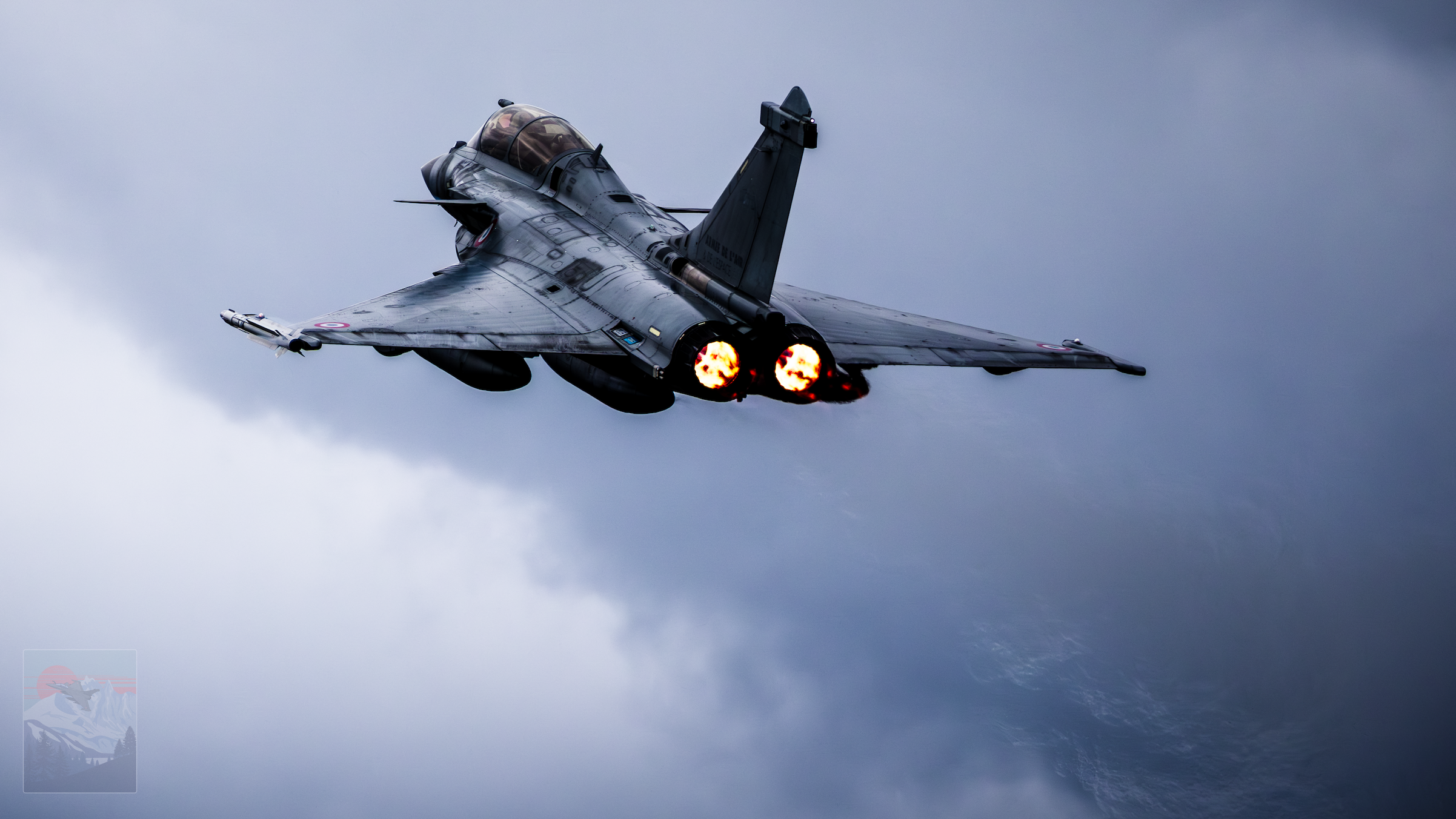
The Rafale has become the backbone of French air power. Designed as a true omnirole fighter, it is capable of conducting air superiority, precision strike, reconnaissance, close air support and nuclear deterrence missions. Equipped with the RBE2 AESA radar, SPECTRA electronic warfare suite and a broad range of modern weapons, the aircraft represents one of the most capable combat platforms currently operating in Europe.
Watching Rafales being prepared for flight offered a reminder that modern combat aviation is about far more than speed and manoeuvrability. Sensor fusion, networked operations and information superiority now play equally important roles in mission success.
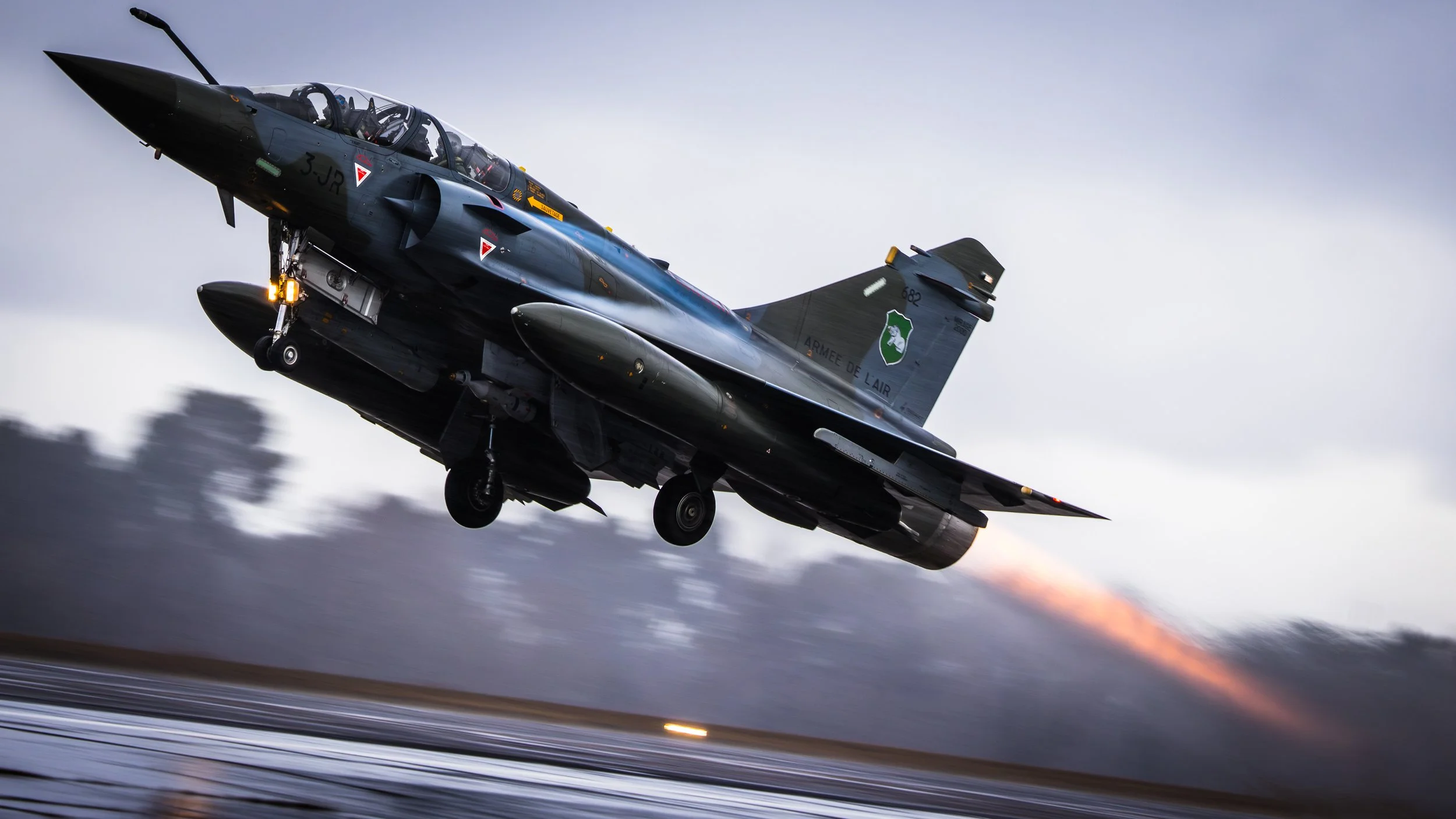
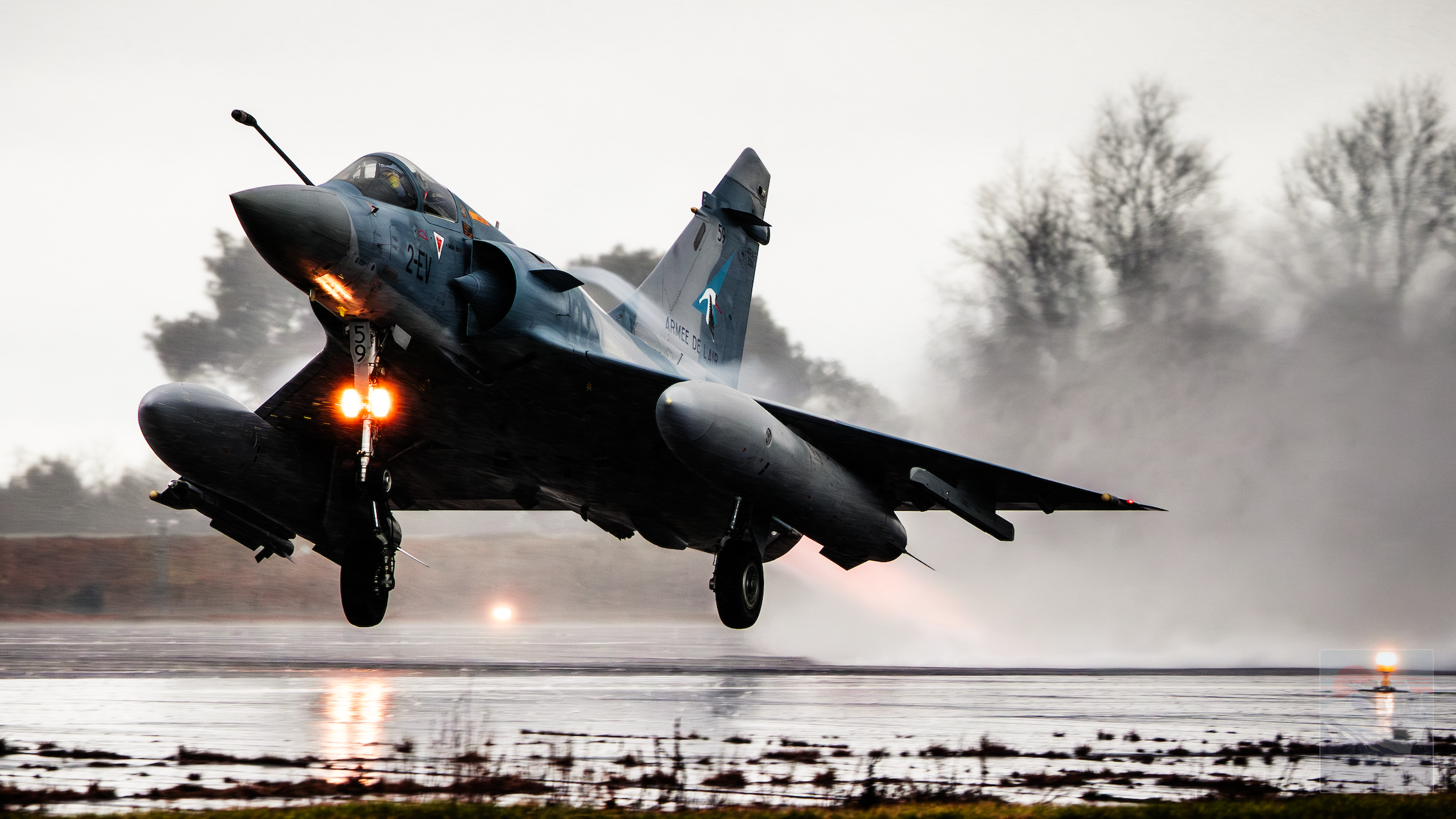
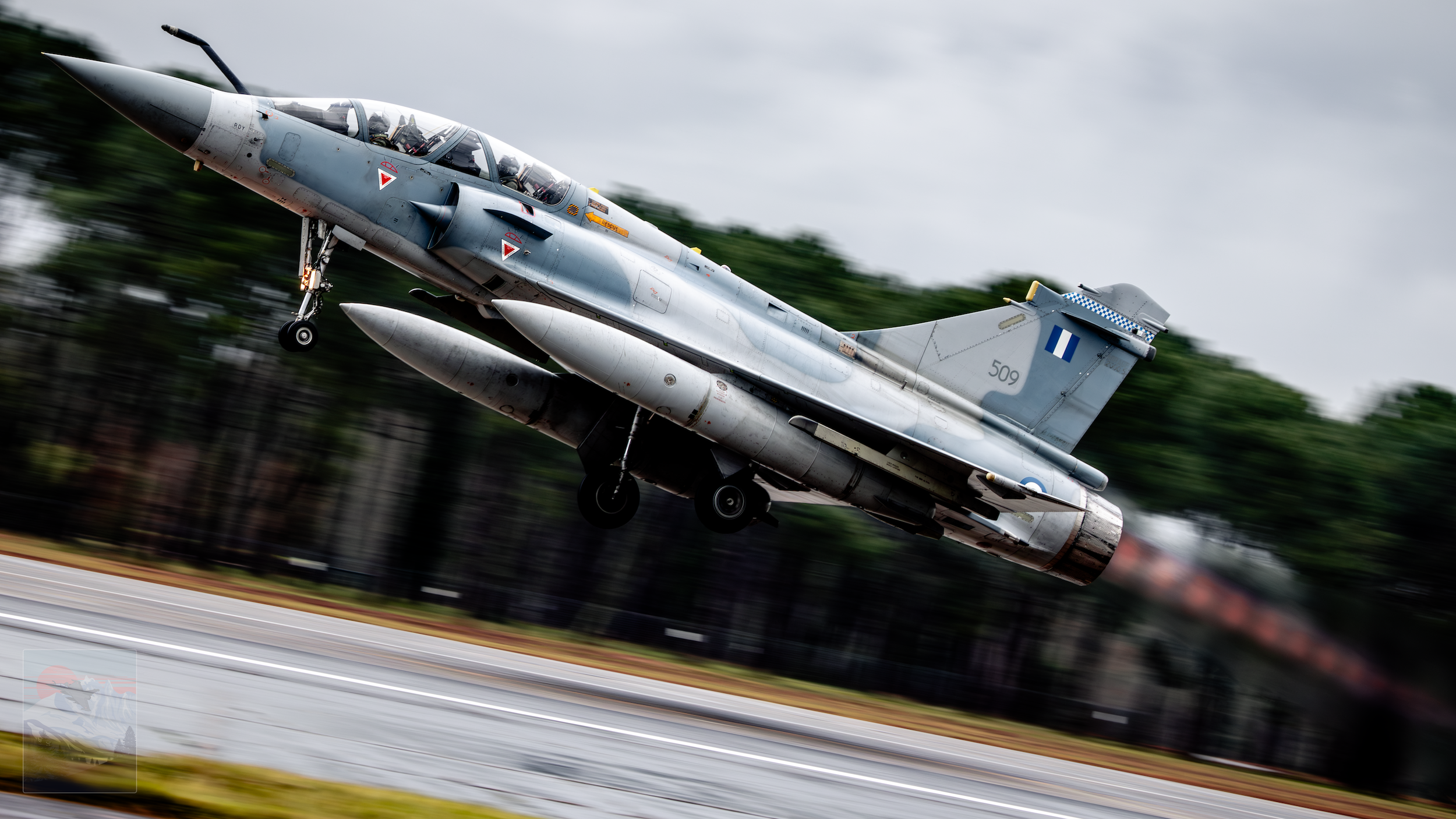
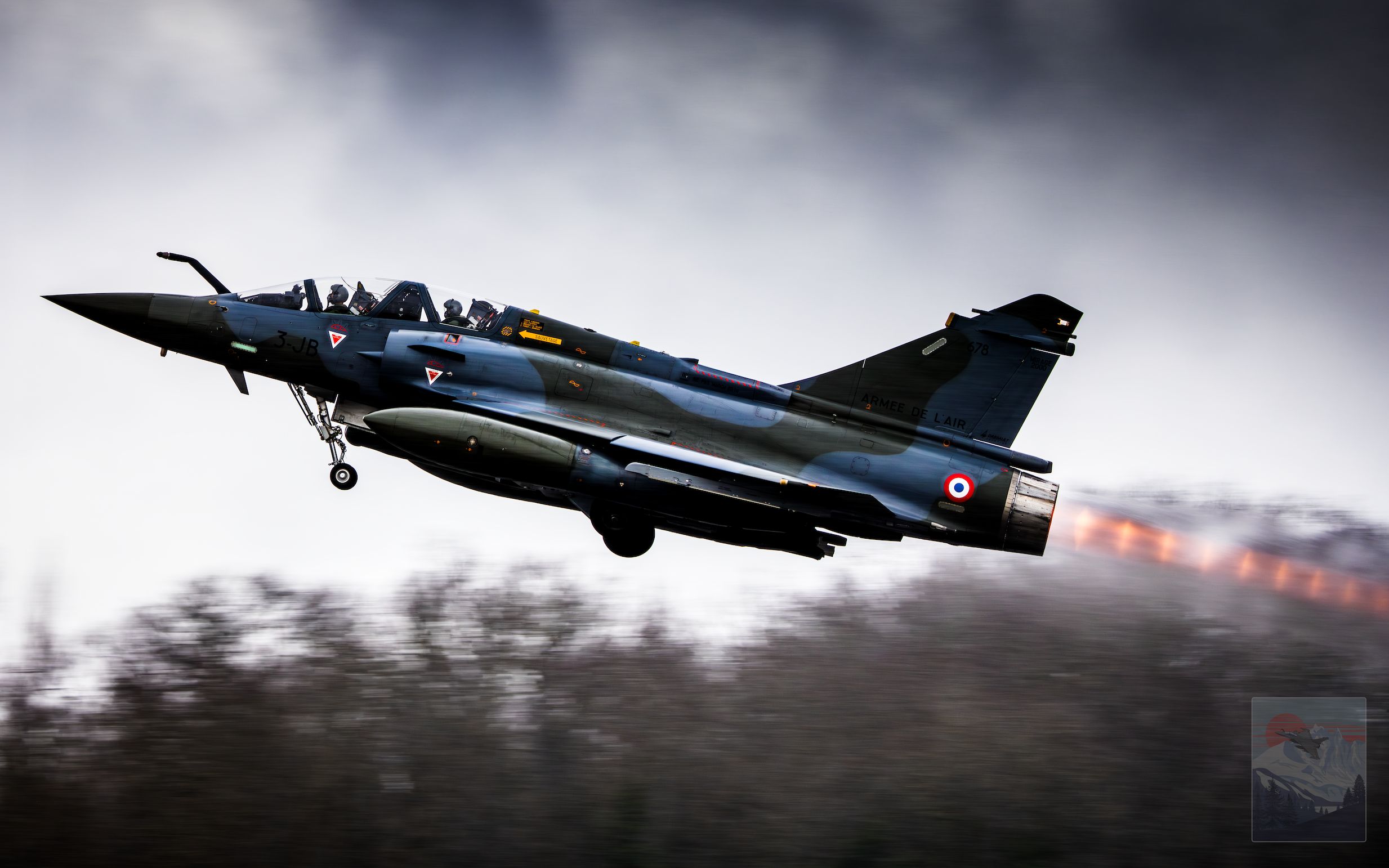
Alongside the Rafale, the Mirage 2000 remains a familiar and respected presence within the French Air and Space Force. Its distinctive delta-wing design remains one of the most recognisable silhouettes in military aviation.
While the Mirage lacks some of the advanced digital architecture of its successor, it continues to provide valuable operational capability and serves as a testament to the enduring success of Dassault's fighter designs.
Together, the two aircraft reflected both the heritage and future direction of French combat aviation.
At the End of the Runway
Few experiences compare to standing near an active runway as fighter aircraft prepare for departure.
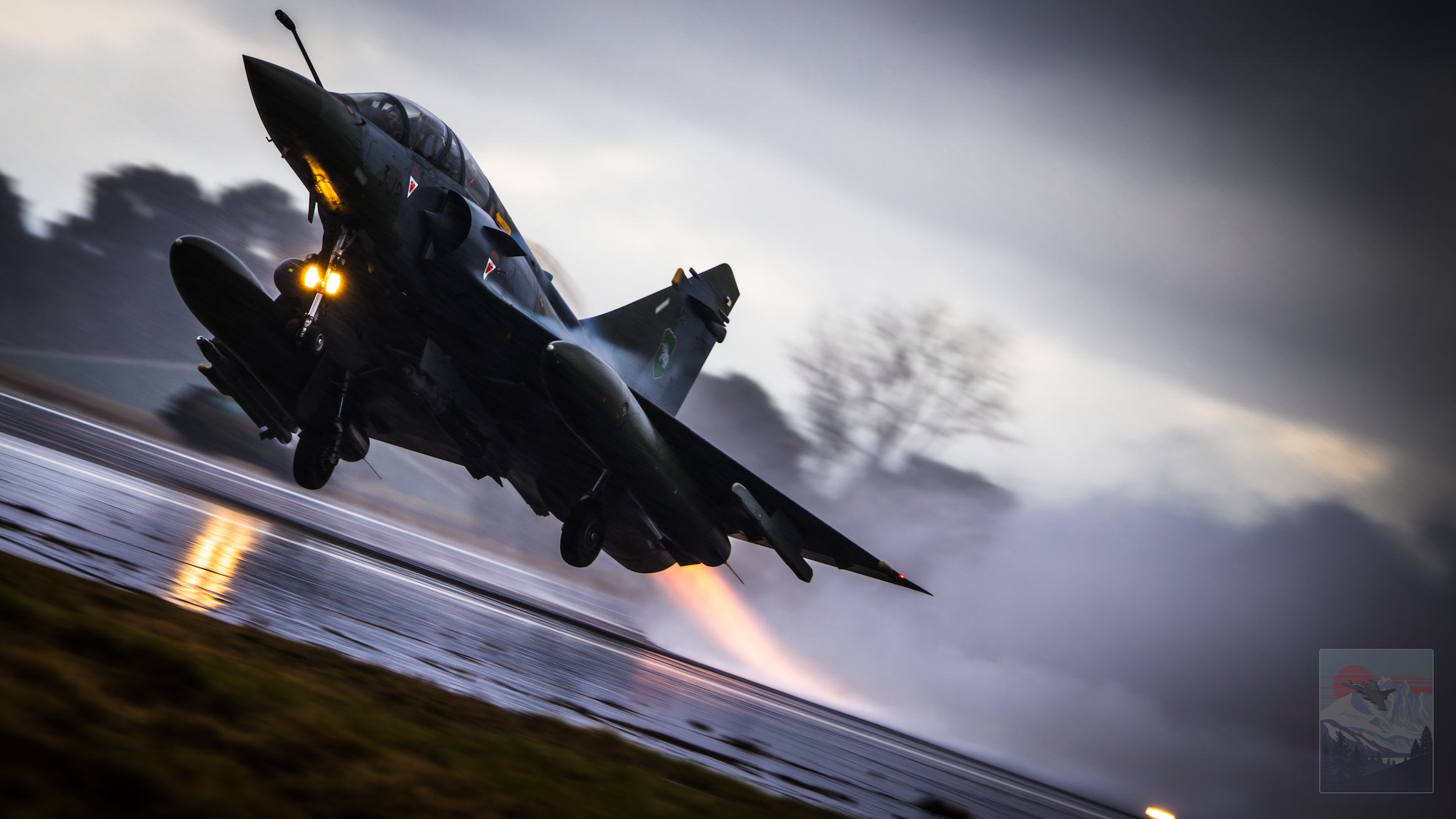
As engines accelerated and aircraft lined up for take-off, the atmosphere changed noticeably. Ground crews stepped back, final checks were completed and the jets surged forward.
The Rafales accelerated rapidly down the runway, their twin M88 engines producing a distinctive roar as they climbed away into the winter sky.
Moments later, the Mirages followed, their elegant delta-wing profile cutting a sharp silhouette against the horizon.
Every departure represented far more than a training flight. These sorties formed part of a wider operational framework involving command-and-control networks, intelligence assets and forces operating elsewhere within the ORION scenario.
For photographers, the combination of operational activity, winter light and iconic French combat aircraft created unforgettable moments.
Forcing Entry: Opening the Sky
Before amphibious or ground operations can unfold, the air domain must be secured.
Suppress enemy air defenses.
Degrade radar networks.
Break A2/AD bubbles.
Guarantee freedom of action.
Rafales conduct air superiority and escort missions.
Mirage 2000Ds execute deep strike profiles.
Allied aircraft introduce diverse tactical patterns, forcing integration beyond national comfort zones.
But ORION tests more than aircraft performance.
BA 118 runs continuous cycles: planning, briefing, mission execution, debrief, re-tasking. Maintenance crews operate under compressed timelines. Controllers manage dense traffic flows. C2 cells synchronize air corridors and ground-based air defense.
The base itself becomes a stress-tested operational system.
Air Power as an Enabler
One of the key lessons from Mont-de-Marsan was that modern air power does not operate in isolation.
Fighter aircraft create the conditions necessary for the rest of the force to operate effectively. They provide protection, gather information, conduct strikes and contribute to the overall operational picture.
Their effectiveness depends upon a vast support network of technicians, planners, logisticians and commanders working together to generate and sustain combat capability.
The fighter operations observed during O2 demonstrated how ORION seeks to validate that entire system rather than simply individual aircraft or units.
ORION O4: Into the Rotor Wash at Chaumont
From Air Dominance to Air Mobility
If O2 highlighted the role of combat aviation, O4 focused on the equally important domain of battlefield mobility.
Held at Chaumont in April, this phase of ORION showcased the rotary-wing assets that enable troops, equipment and supplies to move rapidly across the battlespace.
Where fighter aircraft shape the operational environment from above, helicopters provide the flexibility needed to connect and sustain forces on the ground.
The NH90 Caïman: Backbone of French Tactical Mobility
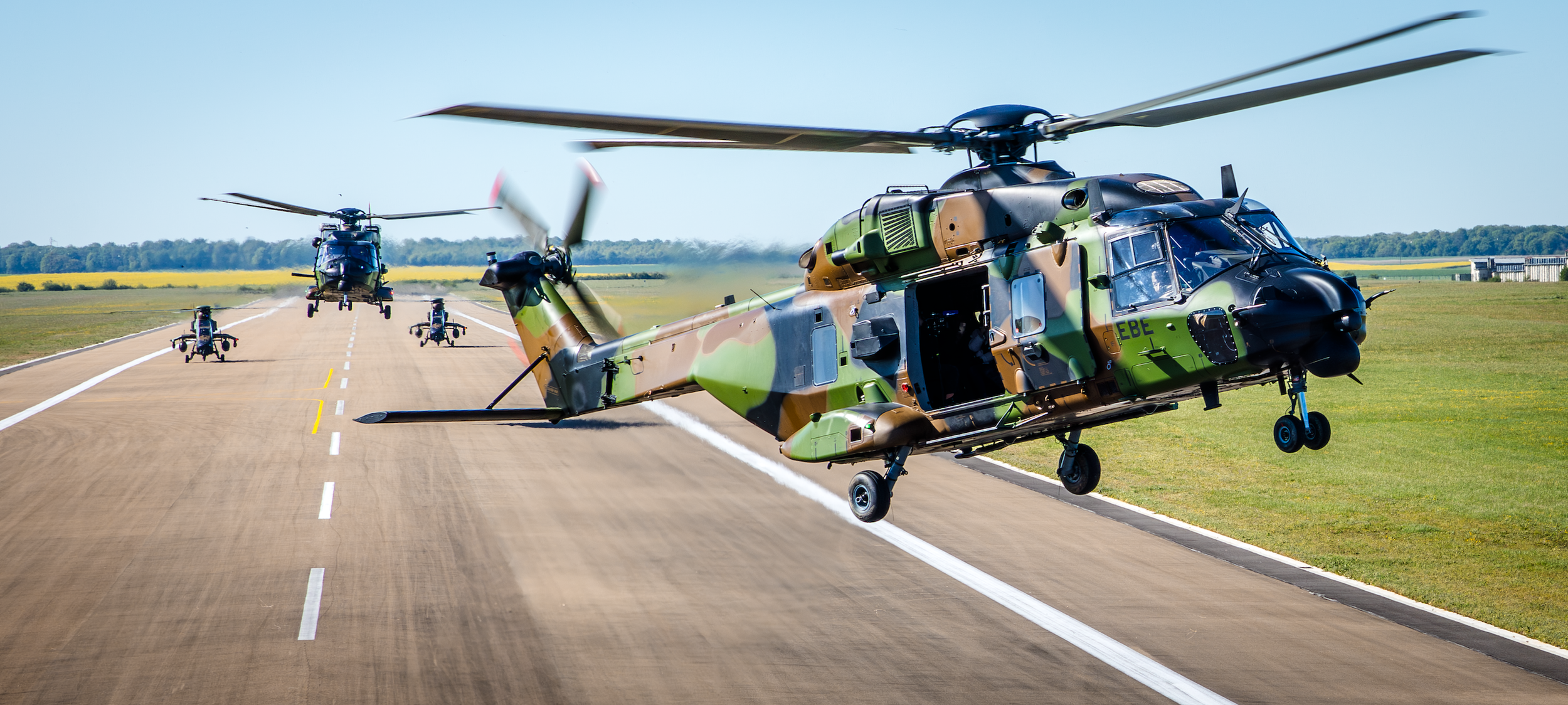
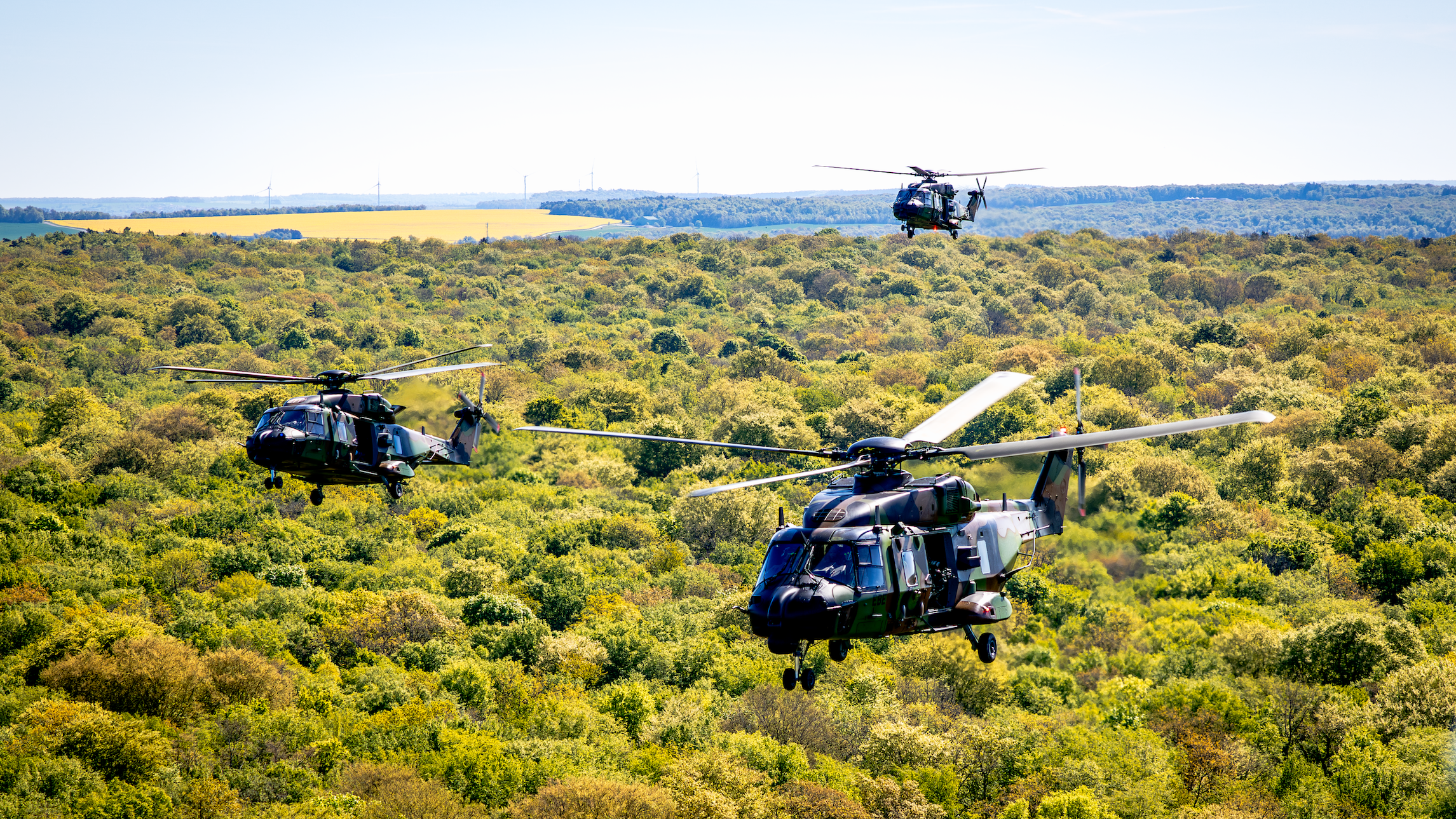
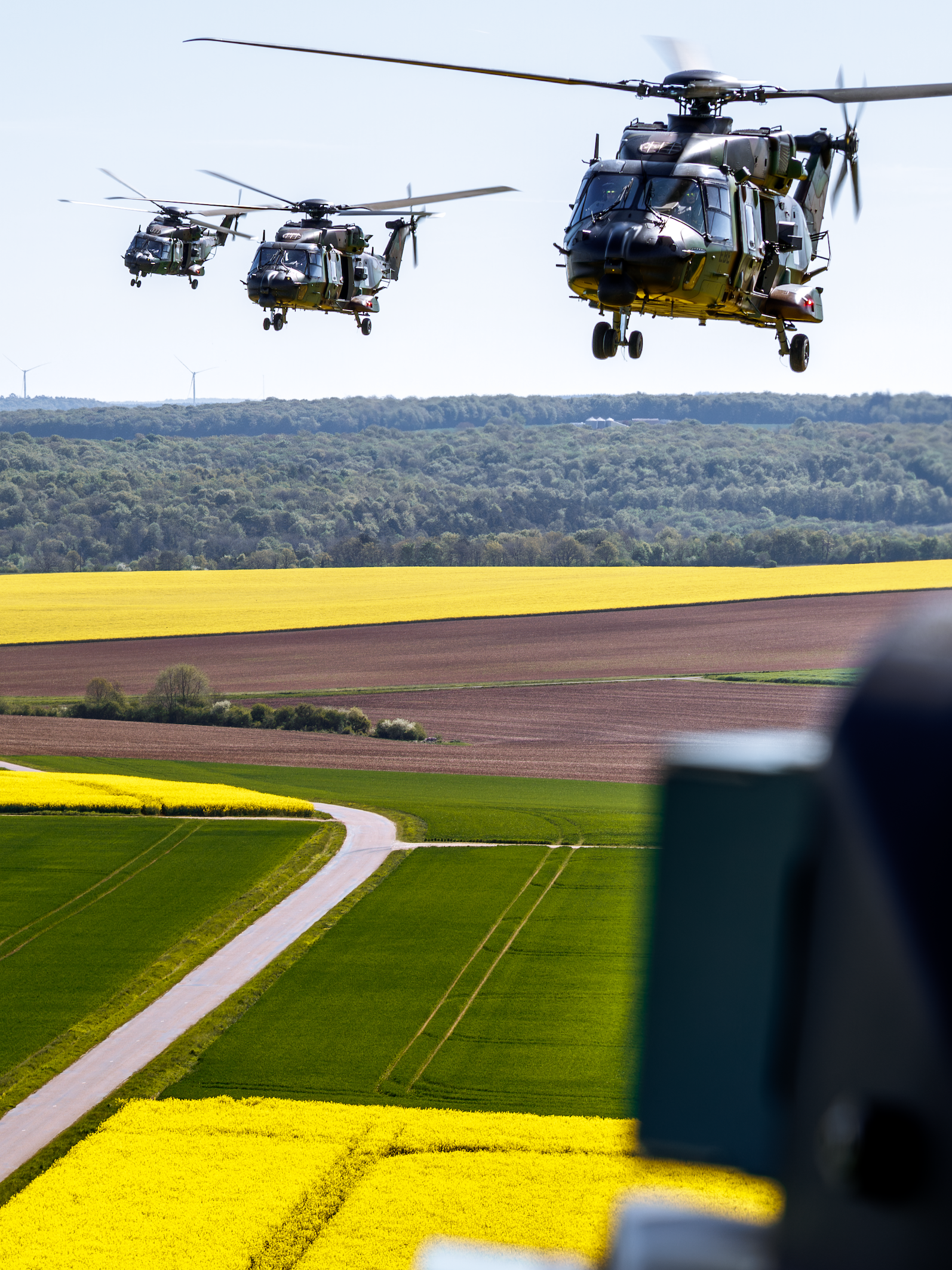
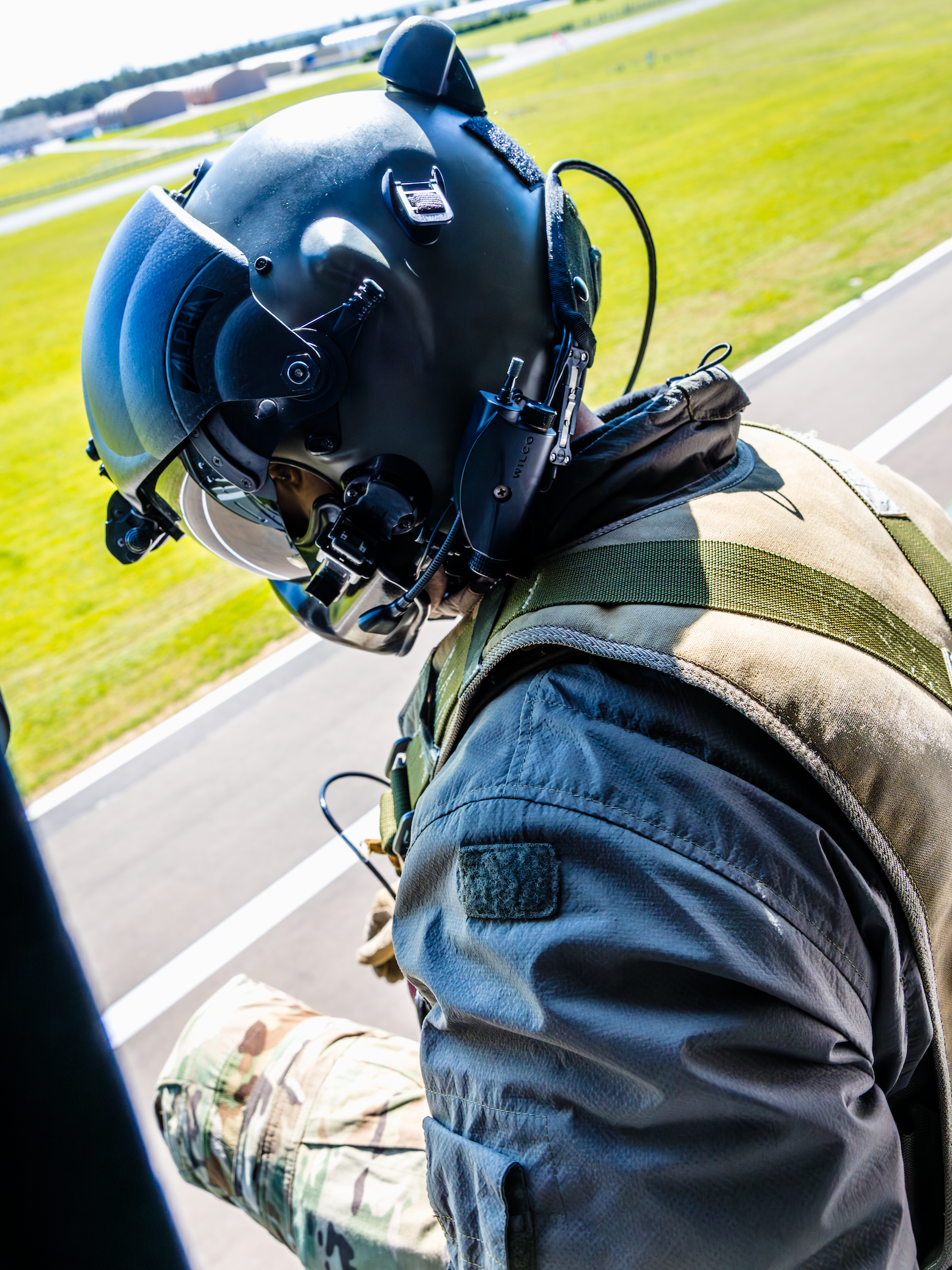
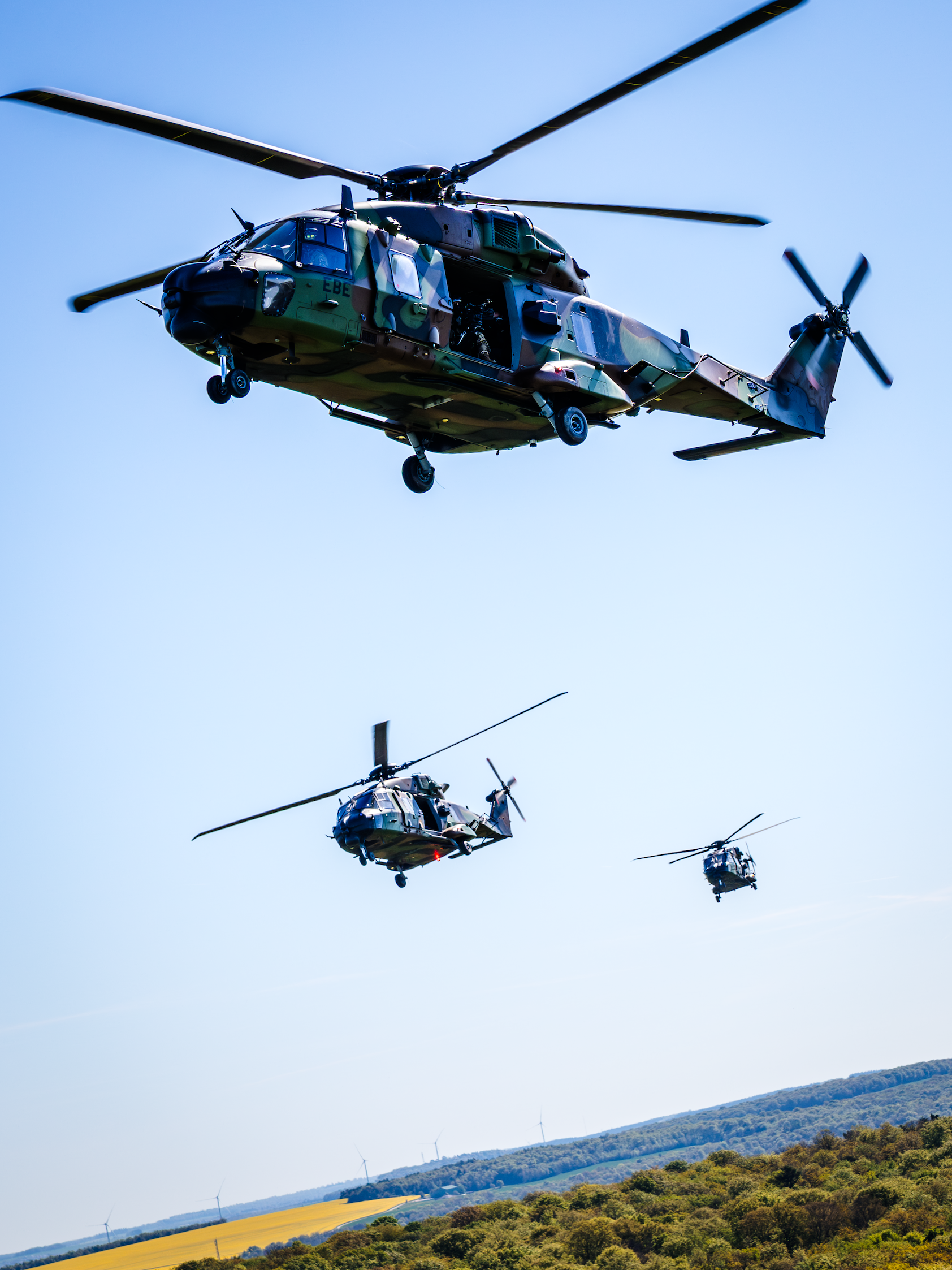
The aircraft selected for the media flight was the NH90 Caïman, one of the most advanced helicopters currently in French service.
Developed through the multinational NHIndustries programme, the NH90 was designed as a modern tactical transport platform capable of operating in demanding environments while offering enhanced survivability, payload capacity and digital integration.
The helicopter features fly-by-wire flight controls, a fully digital cockpit, advanced navigation systems and modern self-protection equipment. These capabilities allow crews to conduct missions in complex operational environments while maintaining a high degree of situational awareness.
In French service, the Caïman has progressively replaced older Puma and Cougar helicopters, becoming a key component of the Army's tactical mobility capability.
Within ORION, NH90 crews support troop transport, air assault operations, casualty evacuation, battlefield resupply and command-support missions.
Two Sides of the Same Mission
Although separated by several months and different operating environments, both visits ultimately told the same story.
At Mont-de-Marsan, fighter aircraft demonstrated how air power establishes and maintains control of the battlespace.
At Chaumont, helicopters demonstrated how mobility and flexibility allow forces to exploit that control.
One element cannot function effectively without the other.
Together, they form part of the integrated operational approach that ORION seeks to validate—a modern military force capable of coordinating multiple domains simultaneously while adapting to rapidly evolving challenges.
Conclusion
Experiencing both O2 and O4 provided a rare opportunity to witness two complementary dimensions of French military aviation.
From the thunder of Rafales and Mirages departing Mont-de-Marsan to the distinctive rotor beat of the NH90 Caïman over Chaumont, each visit offered valuable insight into the aircraft, crews and support personnel that contribute to operational readiness.
More importantly, both events illustrated the broader purpose of ORION itself: preparing French and allied forces for the realities of modern conflict through realistic, demanding and integrated training.
For Steel Wing Stories, it was a privilege to witness a small part of that effort from both the runway and the rotor wash.
The aircraft may differ, the missions may change and the operating environments may vary, but the objective remains the same—ensuring that when called upon, the people and machines of military aviation are ready.